Martial Arts Therapy
Paths To Healing
The Healing Power of Movement
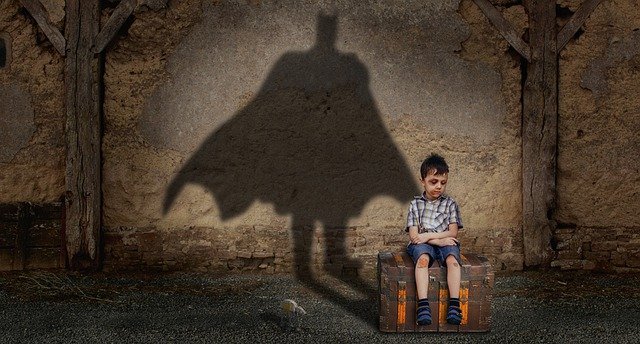
Martial Arts Therapy is a unique therapeutic approach that combines the ancient wisdom of martial arts with modern psychological practices. This integrative method helps individuals connect with their inner strength, build resilience, and heal from trauma through mindful movement and self-discovery.
At its core, Martial Arts Therapy recognizes that the body and mind are interconnected. By engaging in purposeful physical practices, we can unlock emotional blockages, build confidence, and develop a deeper understanding of ourselves.
🧘 Mind-Body Integration
Connect physical movement with emotional awareness to create holistic healing experiences that address both mental and physical aspects of trauma and anxiety.
🛡️ Empowerment Through Skill
Learn practical self-defense techniques that build confidence and create a sense of personal safety and control over your environment.
🌱 Growth Mindset Development
Embrace the martial arts philosophy of continuous improvement and apply it to personal growth, seeing challenges as opportunities for development.
🤝 Community Connection
Experience the supportive environment of martial arts training while building meaningful connections with others on similar healing journeys.
The MPath Approach
MPath ("M" for "Martial") is our specialized approach to Martial Arts Therapy. This method combines elements from various martial arts traditions with evidence-based therapeutic practices to create a personalized healing journey.
🥋 Shorin-ryu Karate
Traditional Okinawan karate techniques adapted for therapeutic benefit, focusing on precision, discipline, and internal strength.
🌊 Tai Chi Principles
Slow, flowing movements that promote balance, flexibility, and the connection between breath and movement.
🧘 Mindfulness Practices
Meditation and breathing exercises that help regulate the nervous system and promote present-moment awareness.
🎯 ESD Techniques
Empowerment Self-Defense skills that build confidence and practical safety awareness while addressing trauma responses.
Therapeutic Modalities We Integrate
MCT: Mindfulness-based Cognitive Therapy
Combine mindfulness practices with cognitive techniques to identify and change negative thought patterns while developing greater self-awareness.
ACT: Acceptance and Commitment Therapy
Learn to accept difficult thoughts and feelings while committing to actions that align with your personal values and goals.
IFS: Internal Family Systems Therapy
Explore and understand different parts of yourself, fostering internal harmony and healing through self-compassion and integration.
"The warrior's approach is to say 'yes' to life: 'yes' to it all, the light and the dark, the joy and the sorrow. The warrior doesn't seek to avoid pain or difficulty, but rather to meet it with courage and compassion."
Who Can Benefit?

Martial Arts Therapy can be beneficial for individuals dealing with:
🎭 Trauma & PTSD
Gentle, trauma-informed approaches to help process traumatic experiences and rebuild a sense of safety and control.
😰 Anxiety & Depression
Movement-based interventions that help regulate emotions and build resilience against stress and mood disorders.
🧠 Neurodiversity
Adapted approaches that work with different neurological profiles to support focus, emotional regulation, and social skills.
💪 Low Self-Esteem
Build confidence through mastery of skills and recognition of personal strength and capability.
Whether you're dealing with specific challenges or simply seeking personal growth, Martial Arts Therapy offers a path to discovering your inner warrior.
Begin Your Healing JourneyReferences
- Moore, B., Woodcock, S. and Dudley, D. (2021), Well-being warriors: A randomized controlled trial examining the effects of martial arts training on secondary students' resilience. Br J Educ Psychol, 91: 1369-1394 e12422. https://doi.org/10.1111/bjep.12422
- Weiser M, Kutz I, Kutz SJ, Weiser D. Psychotherapeutic aspects of the martial arts. Am J Psychother. 1995 Winter;49(1):118-27. doi: 10.1176/appi.psychotherapy.1995.49.1.118. PMID: 7762694.
- Hiskey, S. & Clapton, N. The martial arts and embodied distress tolerance in psychological therapy. Private practice, The Oaks Hospital, Colchester; Avon and Wiltshire Mental Health Partnership NHS Trust, Swindon.
- Fabio RA, Towey GE. Cognitive and personality factors in the regular practice of martial arts. J Sports Med Phys Fitness. 2018 Jun;58(6):933-943. doi: 10.23736/S0022-4707.17.07245-0. Epub 2017 May 5. PMID: 28480690.
- Wang C, Bannuru R, Ramel J, Kupelnick B, Scott T, Schmid CH. Tai Chi on psychological well-being: systematic review and meta-analysis. BMC Complement Altern Med. 2010 May 21;10:23. doi: 10.1186/1472-6882-10-23. PMID: 20492638; PMCID: PMC2893078.
- Tang Y.-Y. et al., Short-term meditation training improves attention and self-regulation. Proc. Natl. Acad. Sci. U.S.A. 104, 17152–17156 (2007).
- Jansen P, Dahmen-Zimmer K, Kudielka BM, Schulz A. Effects of Karate Training Versus Mindfulness Training on Emotional Well-Being and Cognitive Performance in Later Life. Res Aging. 2017 Dec;39(10):1118-1144. doi: 10.1177/0164027516669987. Epub 2016 Sep 29. PMID: 27688143.
- טיפול בילדים באמצעות אומנויות לחימה